


THANK YOU FOR SUBSCRIBING


 Edward Dickson, CEO
One company that has firmly positioned itself at the intersection of manufacturing intelligence and digital transformation is Ujigami. Its innovative platform transforms how manufacturers collect, analyze, and act on data in real-time, helping them make smarter, more informed decisions faster than ever.
Founded on the core belief that manufacturing should be more connected and smarter, Ujigami specializes in delivering solutions that seamlessly integrates diverse production environments and controls it. The company has developed a robust platform that addresses one of the most critical challenges facing manufacturers today: the native ability to connect to, collect, and analyze data from a variety of devices across the plant floor and deploy improved processes.
Edward Dickson, CEO of Ujigami, explains, “Ujigami is designed to provide manufacturers with the ability to connect to any device on the plant floor, whether a cutting-edge modern piece of equipment or a legacy machine from the 1960s. Our platform can connect to it, collect the data meaningfully, understand what’s happening, and actively control the manufacturing environment in real-time.”
The built-in ability to connect to virtually any device, regardless of age or technological sophistication, is one of Ujigami’s defining features. It positions the company as a unique player in the manufacturing intelligence space. While other platforms may struggle with legacy systems or modern IoT devices, Ujigami excels by enabling a smooth integration with both, ensuring manufacturers can leverage data from all their equipment—old and new—to optimize production processes.
However, Ujigami’s contributions to the manufacturing intelligence sector go beyond connecting devices and collecting data. The platform goes a step further by empowering manufacturers to use this data in a way that drives meaningful action. Ujigami offers a blend of connectivity, real-time data collection, and the application of machine intelligence to optimize and actively control the manufacturing processes. This focus on machine intelligence sets Ujigami apart from many of its competitors. While artificial intelligence (AI) has garnered significant attention for its potential to mimick human intelligence, Ujigami differentiates itself by focusing on machine intelligence for real-time control rather than AI data analysis.
Our platform is very much like lego. It’s a simple concept where the building blocks can be assembled to create almost anything.
From Assembly Lines to Complex Production Systems
 Dickson clarifies the difference between the two: “Artificial intelligence is often defined by its ability to learn from inputs and make decisions similar to a human. However, in manufacturing, we’ve focused on machine intelligence, which operates on predefined rules-based logic. Machine intelligence is based on clear, deterministic rules that can be modified and adjusted. Unlike AI, which can be unpredictable and often requires constant monitoring, machine intelligence ensures that decisions are made in real-time based on input data and pre-determined logic rules, making these decisions are reliable and traceable.”
Machine intelligence is incredibly powerful in manufacturing. It allows systems to make data-driven control decisions based on pre-configured rules and logic that are continuously updated as new data becomes available. This ensures that manufacturing processes are optimized predictably and consistently in real-time without relying on the trial-and-error methods often accompanying AI-driven systems. By focusing on machine intelligence, Ujigami offers the high level of predictability that is critical in manufacturing.
Ujigami’s machine intelligence technology can be applied across various manufacturing environments, from assembly lines to complex production systems. One of the most compelling examples of Ujigami’s effectiveness is its collaboration with AI Vision suppliers. AI Vision, an emerging leader in AI-powered quality control systems, uses machine vision to inspect products for defects. While Ujigami doesn’t develop AI vision technologies, it plays an essential role by providing the necessary data infrastructure and inter-connectivity that allows AI Vision systems to operate effectively.
“We work closely with AI Vision suppliers to ensure that the data from their platform is useful to the overall system,” says Dickson. “Our role is to integrate with AI vision systems as they identify objects and patterns. Ujigami uses this information to make decisions such as identifying good or bad parts during manufacturing. Ujigami then ensures that the correct actions are taken on the plant floor for each individual part and process.”
This type of collaboration is a perfect example of how Ujigami integrates seamlessly into the larger ecosystem of manufacturing intelligence. It is not just a platform that simply collects and analyzes data—it also ensures that this data is put to practical use in improving processes across the plant. By feeding the correct information to AI systems, Ujigami helps manufacturers make more accurate decisions, leading to better quality control, fewer defects, and improved overall performance.
The core of Ujigami’s manufacturing intelligence platform lies in its ability to make real-time decisions based on the data collected. In the past, engineers and technicians would manually review data and adjust processes based on their observations. While effective, this approach can be slow and prone to error. Although AI can improve the analysis, it still requires a technician to deploy the recommendations. Ujigami’s system takes this burden off the shoulders of human operators by automating the decision-making and deployment process.
This kind of real-time, automated decision-making has huge benefits for manufacturers. It eliminates the time and effort required to address issues on the plant floor. It also ensures that production lines can continue operating without interruption, improving efficiency and reducing downtime.
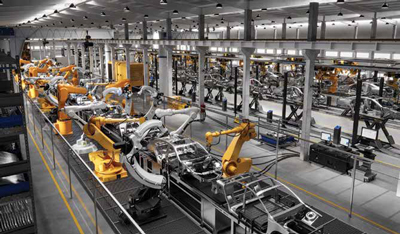 One of Ujigami’s most significant success stories involves a large vehicle upfitter that operates across 28 plants. This company had been struggling with manual workflows, poor reporting, and a lack of visibility into what was happening on the plant floor. Their traditional methods involved printing and distributing paperwork, which meant employees couldn’t access real-time information. This created inefficiencies, particularly in areas such as tracking the progress of vehicle assembly, quality control, and production lead times.
"The company was experiencing long lead times, and their productivity was not up to par,” says Dickson. “They came to us with a clear need for a solution to digitize their manufacturing process and give them better visibility into their operations.”
Ujigami’s solution is twofold. First, the platform eliminates the need for paper-based workflows by digitizing the entire manufacturing process. Relevant information is instantly available to operators, reducing delays and ensuring the plant floor is always up-to-date. Second, Ujigami implemented machine intelligence to manage processes and workflows in real time. This allows the company to adjust production lines automatically, ensuring that vehicles are routed through the assembly process as efficiently as possible.
The results are remarkable. Not only has the company gain better insights into what is happening on the plant floor, but they are also able to significantly improve production throughput and increase the overall quality of the vehicles. “We see a substantial improvement in productivity and product quality,” Dickson recalls. “By combining the real-time data flow with machine intelligence, they are able to shorten their lead times and streamline their operations across all 28 plants.”
This case is a prime example of how Ujigami’s platform can transform manufacturing operations. By providing real-time insights and automating key decision-making processes, Ujigami helps manufacturers address issues quickly and effectively, resulting in tangible improvements in efficiency and product quality.
Embracing the Future of Manufacturing
Ujigami’s approach to delivering manufacturing intelligence is about solving real-world problems.
According to Dickson, the company’s deployment process is rooted in problem-solving. “We begin by understanding our customers’ specific challenges, whether it’s a quality issue, high scrap rates, or long lead times,” he explains. “From there, we configure a solution that addresses their needs, often through the combination of connectivity, data analysis, and machine intelligence.”
What sets Ujigami apart is the platform’s flexibility and ease of use. Dickson likens Ujigami to Lego blocks: “Our platform is much like Lego. It’s a simple concept where the building blocks can be assembled to create almost anything. Our clients don’t need to be software engineers to use our platform—they only need to understand the problem they are trying to solve, and then they can use the flexible tools we provide to build their solutions.”
This simplicity and flexibility allow Ujigami’s customers to adapt the platform to their unique needs, empowering them to take control of their manufacturing processes and solve problems independently.
 Looking forward, Ujigami plans to continue expanding its capabilities in the manufacturing intelligence space. One key development area is multilingual support, essential as the company looks to serve users in multiple languages. “As manufacturers around the world adopt our platform, we want to make sure they can use it in their native language,” says Dickson. “With the advances in translation technology, we can now incorporate these systems into Ujigami, allowing operators to work in the language of their choice. This feature will break down language barriers and make it easier for manufacturers everywhere to adopt our platform.”
By focusing on its platform’s accessibility and adaptability, Ujigami is poised to make an even greater impact on the global manufacturing industry. With an emphasis on machine intelligence, seamless connectivity, and user-friendly design, Ujigami sets a new standard for what is possible in manufacturing intelligence.
Ujigami plans to expand its reach, refine its offerings, and continue to push the boundaries of what manufacturers can achieve with real-time data and intelligent environments. As the industry embraces the future of manufacturing, Ujigami will be there, leading the charge toward a more innovative, efficient, and connected manufacturing world.
Company
Ujigami
Management
Edward Dickson, CEO
Description
Founded with the core belief that manufacturing should be more intelligent and connected, Ujigami specializes in delivering solutions that seamlessly integrate diverse production environments. The company has developed a robust platform that addresses one of the most critical challenges facing manufacturers today.

Manufacturing Technology Insights Weekly Brief
Be first to read the latest tech news, Industry Leader's Insights, and CIO interviews of medium and large enterprises exclusively from Manufacturing Technology Insights
